Valentine Heart Tree Font Review for Branding Projects
I was working on a branding project for a boutique café, and I needed something that felt warm, inviting, and a little whimsical. That’s when I stumbled upon the Valentine Heart Tree font. It immediately caught my eye with its playful yet elegant curves and subtle heart accents. As a designer, I always look for fonts that can carry a brand’s personality without being too loud or too quiet, and this one struck the right balance.
A Playful Typeface with Purpose
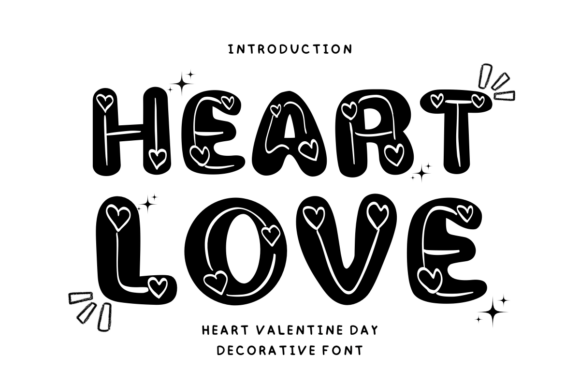
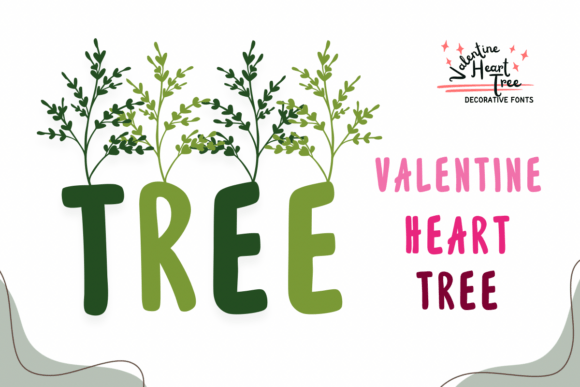
The Valentine Heart Tree is a decorative font with a unique visual character. Each letter has a soft, flowing style, and the occasional heart-shaped flourish adds a touch of charm. It feels like it was crafted with love—literally. The font has a romantic and nostalgic vibe, making it ideal for projects that lean into warmth, creativity, and personal expression.
While it’s clearly designed with Valentine’s Day in mind, I found that it works well beyond just holiday cards. Its gentle curves and ornate details give it a versatility that’s surprising for a decorative typeface. It doesn’t feel limited to greeting cards or notes; instead, it can be used creatively in a variety of design contexts.
Testing Valentine Heart Tree in Real-World Scenarios
I tested the font across several design elements as part of the café branding project. On the logo concept, it worked beautifully as a headline font. Paired with a clean sans serif font for body text, it created a nice contrast between playfulness and readability. The heart accents added a subtle nod to the café’s theme of comfort and connection.
On the brand board, I used it for section headers and key messaging. It didn’t overpower the other design elements but still stood out enough to guide the viewer’s eye. When I placed it on a packaging mockup, it felt natural on the label of a custom coffee bag. The font’s texture and detail made the product feel more handcrafted and thoughtful.
For social media graphics, I experimented with using it in short phrases and captions. It worked especially well on Instagram posts where the tone was light and engaging. However, I noticed that when used in longer blocks of text, it lost some of its clarity. This makes sense given its decorative nature—it’s best suited for short bursts of text rather than long paragraphs.
When to Use and When to Avoid Valentine Heart Tree
Valentine Heart Tree shines in situations where you want to evoke emotion, creativity, or a sense of occasion. It’s perfect for logos, headlines, banners, and promotional materials that need a bit of flair. It also works well on merchandise like mugs, stickers, and greeting cards where the visual impact is key.
However, there are limitations. Due to its decorative style, it may not be the best choice for small sizes or long body text. In web design, it should be reserved for headings or call-to-action buttons rather than navigation menus or paragraph text. Similarly, for formal corporate use, it might come off as too whimsical unless paired carefully with more traditional fonts.
If you’re working on a project that requires high readability, such as a legal document or a data-heavy report, this font would not be suitable. But for creative brands, artisanal products, or anything that benefits from a touch of personality, it’s a great fit.
Font Pairing and Practical Tips
Pairing Valentine Heart Tree with a complementary font is essential to maintain balance in your design. For a modern look, I recommend combining it with a sleek sans serif like Helvetica Neue or Montserrat. This pairing keeps the design fresh while ensuring legibility in body text.
If you’re going for a more classic feel, a serif font like Georgia or Garamond can work well. These pairings help create a visual hierarchy that guides the reader through the content without overwhelming them.
Before using the font in any client work, I always check the licensing agreement. It’s important to ensure that the font is allowed for commercial use, especially if it will be used in packaging, templates, or print-on-demand products. Many decorative fonts require specific licenses for these applications, so double-checking this step is crucial.
Also, take the time to test the font in different sizes and colors. Some decorative fonts lose their appeal at smaller sizes or when used in monochrome formats. Testing it in various scenarios will help you understand how it behaves in real-world conditions before finalizing your design.
Overall, the Valentine Heart Tree is a versatile and expressive font that brings a unique charm to any design. Whether you're crafting a brand identity, designing packaging, or creating social media content, it’s worth exploring for its ability to add personality and warmth to your work.